Valentine Paper Heart PNG Scatters 5: Practical Workflow Integration for Designers and Creators
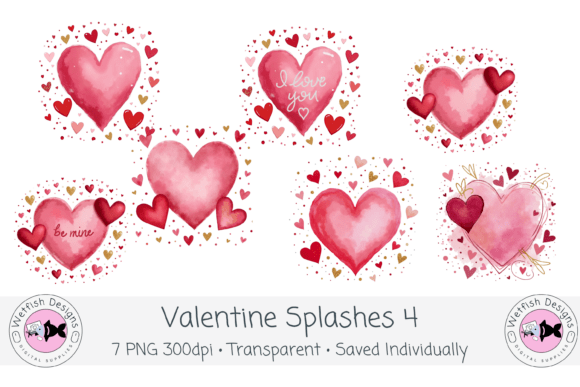
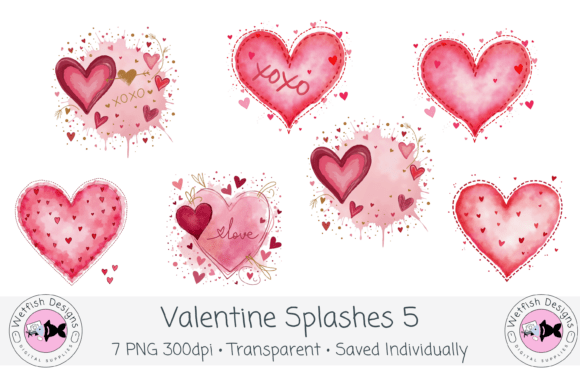
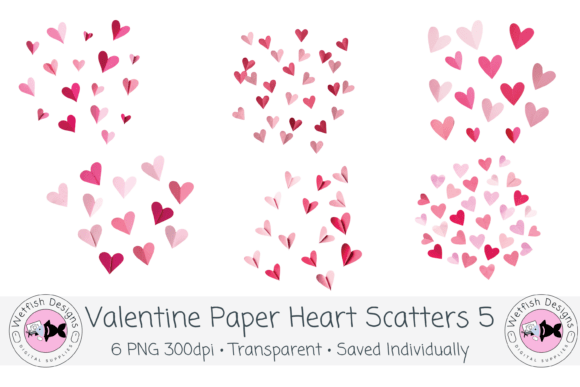
Design assets that serve multiple purposes across different stages of a project are essential for anyone managing creative workflows. Valentine Paper Heart PNG Scatters 5 provides exactly that kind of versatility. This collection includes six individual heart scatter arrangements in classic Valentine colors, each crafted with a delicate paper-cut aesthetic. Saved as high-resolution PNG files at 300 DPI with transparent backgrounds, these scatters are ready to drop into nearly any project without additional preparation.
For professionals and hobbyists alike, the value of a well-organized asset library cannot be overstated. When you have elements that layer seamlessly, scale cleanly, and maintain visual consistency across applications, your production pipeline becomes more efficient. This set is designed with that principle in mind.
Understanding the Asset Format and Its Implications for Your Workflow
Before integrating any design resource into your process, it is worth understanding how its technical specifications affect your options. Each scatter in this set is saved as a standalone PNG file with a transparent background. At 300 DPI, these images provide sufficient resolution for both digital use and print applications up to reasonable sizes.
Because the files come individually, you are not forced to use all six scatters in every project. You can select one, combine several, or layer them with other elements. This modularity is important for maintaining creative control. Whether you are building a composition in Canva, arranging layers in Procreate, or setting up a print-then-cut project in Cricut Design Space, having individual files gives you the freedom to position each scatter exactly where it belongs.
The transparent background means no manual masking or erasing is required. This saves time during the asset preparation phase of any project, allowing you to move directly into layout and composition.
Where Heart Scatters Fit Into a Broader Creative Process
Design work typically follows a sequence: concept development, asset gathering, composition, refinement, and final output. Valentine Paper Heart PNG Scatters 5 serves primarily during the asset gathering and composition stages, but its usefulness extends into refinement and final output as well.
During asset gathering, you can evaluate which scatters align with your project's color scheme and mood. The paper-cut look adds a tactile, handcrafted feel that works well in both digital and print contexts. Once selected, these scatters move into the composition phase where they function as background texture, decorative overlays, or accent elements.
In the refinement stage, you may adjust opacity, apply blending modes, or resize the scatters to fit specific areas. Because the PNG format preserves transparency, these adjustments happen cleanly without artifacts. Finally, in the output stage, the high resolution ensures that whether you are exporting for web, social media, or print, the details remain sharp.
Before the Project Starts: Planning and Preparation
Preparation is where efficient workflows are built. Before you open your design software, consider what role heart scatters will play in your composition. Ask yourself a few questions:
- Will the scatters serve as a background texture, or will they be foreground accents?
- Do you need all six arrangements, or will a subset work better for your layout?
- What color palette are you working with, and do the Valentine colors in this set complement or contrast with it intentionally?
- Are you designing for a single format (e.g., a square social media post) or multiple formats (e.g., a printable card, a digital sticker sheet, and a planner page)?
Answering these questions before you start saves rework later. If you are designing a set of matching products, for example, you can use the same scatter across multiple items to create brand or theme consistency. This is especially useful for small business owners creating coordinated collections for Valentine's Day.
During Active Design: Placement and Layering Techniques
Once you move into the composition phase, the transparent background of each PNG gives you several practical options. You can place scatters behind text elements to add depth without obscuring readability. You can layer them over solid color blocks to introduce subtle texture. You can also use them as masking elements or clipping mask bases for photos and gradients.
Because the scatters come in six distinct arrangements, you have variety without needing to manually create multiple scatter layouts. This is particularly useful when designing multi-page documents such as KDP interiors, digital planners, or printable party kits. Each page can feature a different scatter arrangement while maintaining a cohesive visual theme.
In software like Procreate or Photoshop, you can apply blending modes to the PNG layers to integrate the paper-cut look more naturally with your background. Multiply mode works well for darker backgrounds, while Screen mode can create interesting effects on lighter surfaces. Experimenting with opacity levels also gives you control over the intensity of the scatter pattern.
After Design Completion: Output and Quality Control
When your project is ready for output, a few quality checks ensure consistent results. Because the scatters are 300 DPI, they hold up well in print. However, if you scale them significantly larger than their original dimensions, you may notice pixelation. It is good practice to check your final file at 100% zoom in your output format before exporting.
For digital use, such as social media graphics or blog images, you can safely reduce the resolution without losing quality. The transparent background also means you can export your final composition as a PNG or PDF without worrying about white boxes around your decorative elements.
If you are using these scatters in print-on-demand products like sublimation designs or KDP interiors, always run a test print first. Colors can vary between screens and printers, and the paper-cut aesthetic relies on clean edges and accurate color representation.
Practical Workflow Examples Across Different Use Cases
Understanding how this asset set fits into real workflows requires looking at specific scenarios. Here are several examples that illustrate the integration process.
Digital Scrapbooking and Memory Keeping
For digital scrapbookers, layering is central to the creative process. Start with a background paper or solid color base. Add your photos, journaling blocks, and other embellishments. Then place a heart scatter on a layer above the background but behind your main elements. This creates a sense of depth and visual interest without overwhelming the composition.
Because the scatters are saved individually, you can use one scatter for a two-page spread and another for a matching pocket page. This maintains theme consistency while avoiding repetition. The paper-cut look pairs naturally with digital papers that mimic cardstock or patterned sheets.
Planner Pages and Sticker Design
Digital planner creators often need decorative elements that fit neatly into specific areas without bleeding into text spaces. The heart scatters in this set can be resized and placed as section dividers, month markers, or decorative headers. For sticker design, each scatter can be used as a standalone sticker sheet or combined with other elements like motivational quotes or date stamps.
When designing stickers for print-then-cut machines like Cricut or Silhouette, the transparent background simplifies the cut line detection process. Your machine will recognize the edges of the scatter pattern without additional manual tracing, provided the contrast between the scatter and your background is sufficient.
Small Business Graphics and Social Media
For small business owners creating Valentine's Day promotions, consistency across platforms matters. You can use a single scatter as a background element in your Instagram post, then use a different scatter as an accent in your email newsletter header, and another as a border element in your printable coupon or flyer.
Because each scatter is a separate file, you can store them in a dedicated folder within your design software's asset library. This allows quick access during content creation sessions. If you work with templates, you can insert the scatter as a placeholder element that gets swapped out seasonally, saving time each year.
KDP Interiors and Printables
Self-publishers and printable designers often need decorative elements that do not distract from the main content. Heart scatters work well as chapter dividers, page borders, or background textures in low-opacity layers. For a Valentine-themed journal or coloring book, you can place scatters on section title pages or as decorative corners.
When assembling a KDP interior, ensure that your scatters are placed within the printable margins and do not interfere with text areas. In most layout software, you can lock the scatter layer after positioning it so that you can edit text layers without accidentally moving the decorative elements.
Integration with Commonly Used Tools and Platforms
No design asset exists in isolation. Understanding how Valentine Paper Heart PNG Scatters 5 interacts with different software and platforms allows you to plan your workflow more effectively.
Canva
In Canva, upload the PNG files to your brand kit or a dedicated folder. Because Canva supports transparent PNGs, you can drag scatters directly onto your canvas and resize them using the corner handles. Use the transparency slider to adjust opacity, and position the scatter behind or in front of other elements using the layer menu.
Procreate
Import each scatter as a separate layer. Procreate's layer blending modes and opacity controls give you fine control over how the paper-cut look interacts with your background. Use the transform tool to rotate, scale, or skew the scatter for dynamic placements.
Cricut Design Space
Upload the PNG as a print-then-cut image. Design Space will detect the transparent background automatically. You can then resize, duplicate, or rotate the scatter as needed. For multi-layer projects, attach the scatter layer to your base layer to keep everything aligned during cutting.
Adobe Photoshop and Affinity Products
In full-featured editors, you have the most control. Use adjustment layers to shift colors if needed, apply layer masks to blend scatters into specific areas, or use them as texture overlays with blending modes. The 300 DPI resolution ensures that even at moderate scaling, the edges remain crisp.
Organizing Your Asset Library for Long-Term Use
A well-organized asset library pays dividends over time. After downloading this set, take a few minutes to file it properly. Create a folder labeled "Valentine Heart Scatters" or incorporate it into a broader "Seasonal Assets" structure. If your design software supports tagging, add relevant keywords such as "heart," "Valentine," "paper cut," "scatter," and "romantic" so you can locate the files quickly during future projects.
Because the files are individual PNGs, you can also create composite preview images for quick reference. Open all six scatters in a single document and arrange them in a grid, then save that as a reference sheet. This helps you choose the right scatter without opening each file individually.
Practical Considerations for Consistent Results
When using pre-made design assets, consistency comes from understanding their limitations and strengths. These heart scatters are designed to look like paper cutouts, which means they already have a defined shape and texture. They work best when integrated thoughtfully rather than added as an afterthought.
If you are combining scatters from different sources, pay attention to style compatibility. The paper-cut aesthetic in this set pairs well with other handcrafted or textured elements. It may clash with very polished, vector-based graphics unless you intentionally use contrast as a design choice.
Color consistency is another factor. The Valentine colors in this set include classic reds, pinks, and creams. If your project uses a different color palette, you can adjust the scatters using hue and saturation adjustments in your editing software. Just keep in mind that extreme color shifts may affect the paper-cut texture appearance.
Final Observations on Workflow Integration
Design resources that offer modularity, high resolution, and transparent backgrounds reduce friction in the creative process. Valentine Paper Heart PNG Scatters 5 provides these technical foundations while adding a distinct visual style that works across digital and print mediums.
Whether you are a digital scrapbooker building memory pages, a small business owner creating seasonal promotions, a KDP publisher assembling interiors, or a designer producing social media content, this set fits into your existing workflow without forcing you to change how you work. The key is to plan where decorative elements belong in your composition, use layering techniques that take advantage of the transparent background, and maintain an organized asset library for future projects.
By treating this resource as a flexible component rather than a fixed element, you can adapt it to a wide range of applications. The paper-cut style adds warmth and handmade charm, while the technical specifications ensure reliable performance across platforms. For anyone managing creative projects with tight timelines, having assets that work on arrival is a practical advantage worth prioritizing.