Little Princess Animal Friends: A Detailed Evaluation for Parents and Educators
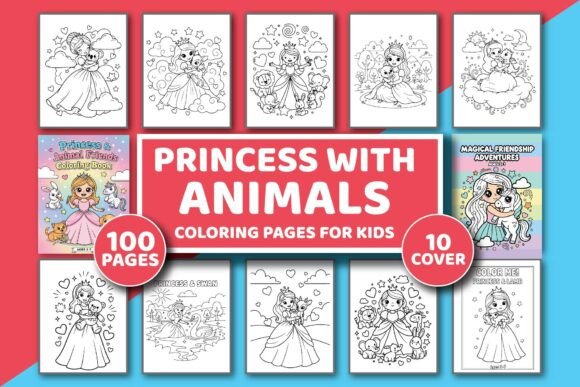
Selecting a coloring book for a young child involves more than just picking a cute cover. Parents, teachers, homeschoolers, and gift-givers often weigh factors like developmental appropriateness, theme longevity, and practical utility. Little Princess Animal Friends is a 100-page coloring collection that blends princesses with a variety of animals, including unicorns, puppies, kittens, bunnies, ponies, and birds. It is specifically designed for children ages 3 to 7. This article provides a balanced evaluation of this coloring book, exploring its design philosophy, developmental benefits, practical tradeoffs, and ideal use cases to help you determine if it aligns with your specific goals.
What Is Little Princess Animal Friends?
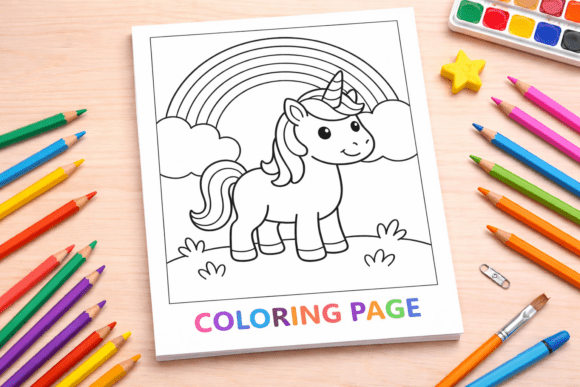
At its core, Little Princess Animal Friends is a themed activity book. Its primary characteristic is the use of bold, simple, and easy-to-color illustrations. Each page features a princess interacting with an animal in a whimsical setting. The file formats offered—JPG, PNG, SVG, PDF, and AI at 300 DPI—make it versatile for both personal and commercial use, such as KDP interiors, classroom activities, party favors, or digital products. Unlike highly detailed coloring books intended for older children or adults, this collection prioritizes clear shapes and minimal clutter.
The Developmental Rationale Behind Simple Designs
For children in the 3 to 7 age range, fine motor skills are still developing. A coloring page with tiny, intricate details can quickly lead to frustration and loss of interest. The bold, simple lines in this book are a deliberate design choice that serves several developmental purposes:
- Reducing Frustration: Large spaces are easier to color within, which builds a child's confidence early on.
- Encouraging Grip Control: Thick lines provide clear boundaries, helping young children practice staying inside the lines without requiring advanced hand-eye coordination.
- Supporting Focus: A straightforward image allows a child to complete a page in a reasonable amount of time, offering a sense of accomplishment that encourages them to continue.
This makes the book a strong fit for preschool classrooms or home environments where the goal is to nurture a love for art without pressure. For a 3-year-old just learning to hold a crayon, these pages are appropriately challenging. For a 7-year-old who enjoys more detailed work, the simplicity might feel limiting after a few pages.
Encouraging Narrative and Creative Play
Beyond motor skills, a key benefit of this collection is its potential to stimulate imaginative storytelling. The combination of a princess and an animal naturally invites narrative questions. A child might ask, "Why is the princess holding a bunny?" or "Where is the princess riding the pony?" This transforms the act of coloring from a mechanical task into a creative exercise. Parents and teachers can use the pages as prompts for oral storytelling, asking children to describe what is happening in the scene. This dual function—coloring and storytelling—adds educational value beyond simple entertainment.
Practical Applications in Different Settings
Understanding where this book works best helps in evaluating its fit. For homeschooling families, a 100-page collection provides a substantial resource for quiet time or thematic units on fairy tales, royalty, or animals. A teacher can use the pages in a classroom center to reinforce a lesson on caring for pets or to offer a calming transition activity. For parents planning a party favor, the availability of digital files means individual pages can be printed in bulk, offering a cost-effective and engaging take-home item. The high-resolution files are also suitable for tablet coloring apps if used in a screen-based environment.
For content creators and KDP publishers, the included file formats are a practical asset. The SVG format allows for further editing, while the pre-formatted PDF simplifies interior creation. This makes Little Princess Animal Friends not just a consumer product, but a resource for those creating learning materials.
Tradeoffs: Simplicity vs. Longevity
No single product serves every need, and acknowledging the tradeoffs of this coloring book is essential for an informed decision. The most significant tradeoff is the age range ceiling. While the book is marketed for ages 3 to 7, a child closer to 7 who has already mastered coloring and seeks complex, realistic imagery may find the designs too elementary. The appeal of a princess with a kitten is strong for a 4-year-old, but a 7-year-old might prefer scenes with more background detail or intricate fashion elements.
Another consideration is the 100-page count. While this offers quantity and value, it can feel repetitive. Every page features a variation of the same concept: a princess and an animal. Some children thrive on thematic consistency and will want to color all the unicorns. Others may lose interest after 20 pages because of the lack of variety in subject matter. If the child you are buying for enjoys variety and switching themes frequently, they might prefer a general coloring book that includes vehicles, animals, and people in different settings.
Technical Assets and Practical Limitations
The inclusion of high-resolution digital files is a standout feature for certain users. A parent who wants to print a specific page multiple times can do so easily. A teacher can project the page onto a smartboard for a group activity. However, if you are primarily interested in a pre-printed physical book, the digital file formats may not add value to your purchase. It is also worth considering the printing cost. Printing 100 pages at home requires a significant amount of ink and paper. If you are buying the digital version, factor in these additional costs or consider using a professional printing service.
Furthermore, users should check the PDF layout. If the pages are designed for double-sided printing, markers may bleed through, which can be disappointing for a budding artist. Single-sided pages are generally preferred for classrooms and home use with markers.
A Balanced Perspective on Thematic Niche
The specific theme of "Princess Animals" is a deliberate niche. It targets children who are currently fascinated by royalty and cute animals—a very common interest in the target age group. This focus makes it an excellent gift for a specific child who loves these subjects. However, it limits the book's appeal in broader or more diverse settings. An educator looking for a gender-neutral resource for a mixed group of students may find the princess theme too narrow. Similarly, a child who is not interested in princesses but loves animals might be better served by a general animal coloring book. The strength of the book lies in its specificity; its weakness is that it excludes children who do not resonate with that theme.
Decision Guide and Final Thoughts
To determine if Little Princess Animal Friends is the right choice, consider the following criteria:
- Age and Skill Level: It is best suited for children aged 3 to 5 who are still developing fine motor skills and benefit from simple outlines. For older children (6–7) who prefer complexity, consider a more advanced book.
- Interest Alignment: This book excels for a child who is specifically interested in princesses and cute animals. If the child prefers vehicles, sports, or dinosaurs, look for an alternative theme.
- Use Case: It is a strong fit for classroom centers, party favors, homeschooling units on fantasy or animals, and for KDP creators needing ready-made interiors. It is less ideal for an educator needing diverse, gender-neutral content.
- Format Needs: If you require reproducible digital files for printing or editing, the included JPG, PNG, SVG, PDF, and AI formats offer exceptional value. If you want a single, ready-to-use physical book, ensure you are purchasing a pre-printed version.
In summary, Little Princess Animal Friends is a well-targeted resource for its intended demographic. It delivers on the promise of simple, engaging illustrations that support early childhood development in fine motor skills and creative storytelling. Its value is enhanced by the versatile digital formats, making it useful for educators and content creators. However, its niche theme and simple format mean it is not a universal solution. For the right child—one who loves princesses and animals and is still building coloring confidence—this book provides a satisfying and supportive creative experience.