20 Zentangle Coloring Book Pages for KDP: Building a Relaxation-Focused Product That Sells
Creating a coloring book for Kindle Direct Publishing requires more than assembling a set of images. The market is saturated, and buyers are discerning. They look for coherence, print quality, and a clear therapeutic or creative benefit. A bundle of 20 Zentangle Coloring Book Pages for KDP addresses these demands by offering a curated collection that balances intricate line work with botanical themes. This article examines how this specific asset functions within a publishing workflow, how it integrates with production tools, and what practical steps you can take to deliver a final product that stands up to professional standards.
What This Bundle Provides Beyond Simple Illustrations
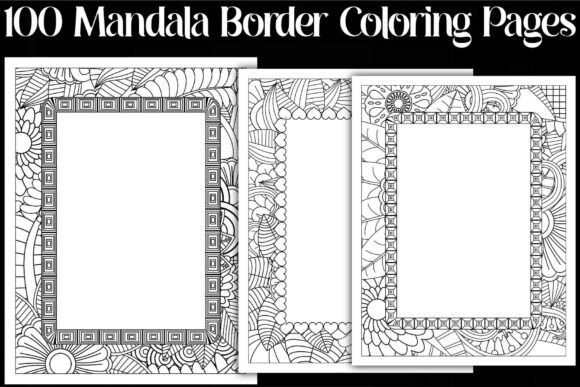
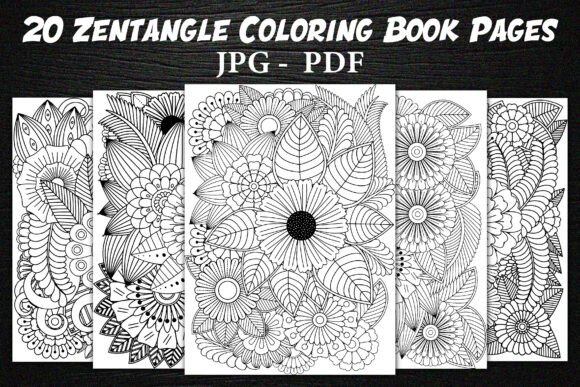
At first glance, twenty pages may seem modest. However, the value lies in the design philosophy behind each illustration. Every page in this set combines zentangle patterns with floral and botanical elements, creating a consistent visual language that carries through the entire book. This coherence matters for two reasons. First, it gives the buyer a predictable experience — they know what to expect from page to page, which builds trust. Second, it simplifies your layout workflow. You do not need to rearrange, crop, or rescale disparate image styles. Every file arrives in the same 8.5 x 11 inch format at 300 DPI, ready to drop into your interior template.
For publishers who also sell on platforms like Etsy, this bundle doubles as a printable digital product. The dual use case means you are not locked into a single distribution channel. You can prepare a paperback interior for Amazon while simultaneously listing the same files as a digital download for customers who prefer to print at home. The high-resolution JPG and print-ready PDF formats support both routes without additional conversion steps.
Where This Asset Fits in a Publishing Workflow
Understanding where a resource slots into your broader process saves time and reduces friction. The 20 Zentangle Coloring Book Pages for KDP bundle enters your workflow at the interior content stage, after you have decided on a theme and target audience but before you finalize covers and metadata. Here is how it interacts with common publishing steps:
Content Curation and Testing
Before you commit to a full 50- or 100-page book, testing a smaller set with a target group or even with yourself is wise. Twenty pages give you enough material to assess whether the complexity level, line thickness, and subject matter resonate with your audience. Run a print test on standard office paper and on higher-grade stock. The 300 DPI line art should remain crisp at both settings, but verifying this early prevents unpleasant surprises later.
Interior Layout in KDP or Similar Tools
Because every page is already cropped to 8.5 x 11 inches, you can import the PDF directly into your layout software — whether that is Canva, Adobe InDesign, or Affinity Publisher. If you prefer individual control over each page, the JPG files allow you to apply image adjustments, add bleed margins, or insert page numbers without affecting the original artwork. The key efficiency gain here is that you do not need to spend hours resizing or aligning images. Your layout time drops to mere minutes.
Cover and Description Integration
One or two of the most visually striking designs can be repurposed as cover elements or interior sample pages on the Amazon listing. Since the bundle includes multiple floral and zentangle motifs, you have variety to choose a cover image that reflects the book’s calming promise. This saves you the cost of commissioning custom cover art and ensures visual consistency between the cover and the interior.
Practical Implementation Tips for a Smooth Production Run
Publishing a coloring book involves decisions about paper type, binding, and margins. Here are specific observations that can improve your final product when using this bundle:
- Check your trim size early. Although the files are formatted for 8.5 x 11 inches, KDP supports slightly different trim sizes within that range. If you plan to use a 8.5 x 11 trim, set your document margins to at least 0.5 inches on all sides. The artwork is designed such that critical details remain inside the safe zone, but you should still preview a few pages in KDP’s previewer before submitting.
- Consider a bleed setting. For a professional polish, add a 0.125-inch bleed to your interior file. The botanical elements do not extend to the very edge of the artwork, so bleeding the background out is straightforward. However, if you use the JPG files, you may need to expand the canvas slightly in your image editor. The PDF version is generally layout-ready, but always confirm with a test upload.
- Select paper stock intentionally. Thicker paper reduces bleed-through for markers and pens. If your target audience uses gel pens or alcohol markers, recommend in your book description that the interior is printed on cream or white paper with a weight of at least 60 lb. You cannot control the paper after publishing, but you can choose a KDP premium color or black-and-white interior option that uses heavier stock.
- Test with multiple coloring tools. Print a few pages and color them yourself with pencils, markers, and gel pens. This test reveals whether line weights hold up under different media and whether fine details are too small to color comfortably. The zentangle patterns in this bundle vary in density, so you may find that some pages suit advanced colorists while others appeal to beginners. This range is an advantage — it expands your potential audience.
Using the Bundle in a Broader Creative or Business Workflow
The applications of 20 Zentangle Coloring Book Pages for KDP extend beyond a single product listing. Consider how this asset can serve multiple goals over time:
Building a Series of Themed Books
If your publishing strategy involves launching multiple coloring books, this bundle can anchor the first volume of a series. The botanical and floral theme is broad enough to support subsequent volumes that focus on seasonal flowers, tropical plants, or mixed-pattern zentangles. You can use the same interior formatting template for each volume, which streamlines your workflow and maintains brand consistency.
Creating Bundles and Combo Offers
On platforms that allow bundled listings — such as Gumroad, Etsy, or your own website — combine these pages with other relaxation-themed products like printable planners, gratitude journals, or mindfulness log sheets. The visual style of the zentangle pages complements minimalist or nature-themed planner designs. Bundle pricing typically increases average order value while giving customers a cohesive set of tools for stress management.
Repurposing for Digital Products
Individual pages can be edited and resold as single-sheet downloads, which are popular for quick relaxation breaks. You might offer a “Page of the Week” subscription or a starter pack of five pages at a lower price point. Because you have commercial use rights with the bundle, you can modify, crop, or combine pages for these smaller products without additional licensing concerns.
The Role of Zentangle Art in a Productivity-Focused Routine
For professionals and entrepreneurs who spend long hours in front of screens, integrating a short coloring session into the workday can serve as a structured break. The repetitive patterns in zentangle art encourage a focused, meditative state that differs from passive scrolling. This is not vague self-care advice — it is a cognitive reset. Coloring for ten minutes between meetings or after a complex task can reduce mental fatigue and improve subsequent concentration.
If you are the publisher, you can position your book not merely as a leisure item but as a practical tool for maintaining mental clarity during demanding work periods. Include a short note in your product description or inside the book itself suggesting this use case. Readers who buy the book for relaxation may discover a productivity benefit they did not expect, and that positive experience can lead to repeat purchases or word-of-mouth referrals.
Quality Control Checks Before Publishing
Even with a professionally prepared bundle, your responsibility as the publisher includes final quality verification. Here is a short checklist that covers the main points:
- Preview the entire interior PDF on KDP’s online previewer. Look for any page that appears misaligned, has unexpected white borders, or shows compression artifacts. The 300 DPI source files should render cleanly, but upload settings can sometimes introduce issues.
- Check the spine calculation for your page count. With twenty interior pages, the spine will be very thin. KDP automatically handles this for paperbacks, but if you add a cover design that includes spine text, verify that the text fits within the calculated spine width.
- Confirm that your book’s description and keywords align with the content. Phrases like “intricate zentangle patterns,” “botanical coloring for adults,” and “stress relief through art” are direct and descriptive. They help potential buyers understand exactly what they are getting.
- Order a proof copy before publishing. Even with digital previews, a physical copy reveals paper quality, binding tightness, and whether the line art reproduces as expected. This step is non-negotiable for maintaining a consistent customer experience.
Long-Term Considerations for Maintaining Quality
Once the book is live, your focus shifts to reviews and customer feedback. Pay attention to comments about line thickness, paper weight, and design complexity. If multiple reviewers note that fine details are difficult to color, you can adjust your future books by selecting designs with slightly thicker lines or by including a note in the description that advises on suitable coloring tools. The bundle gives you a solid baseline, but listening to your audience helps you refine subsequent editions or new volumes.
You can also rotate the pages you feature in your book previews. Amazon allows you to update the “Look Inside” sample by changing which pages are included in the preview file. By swapping in different designs from the bundle every few months, you keep the listing fresh and give returning visitors a reason to reconsider the book.
Practical Observations on Integration with Other Assets
Colorists often seek variety. If you already publish puzzle books, journals, or art instruction guides, adding a coloring book that uses this bundle creates a complementary product line. Customers who buy your mindfulness journal may naturally gravitate toward a zentangle coloring book for extended relaxation. You can cross-promote these products within your book descriptions, on your author page, or via a simple “Also by this Publisher” section at the end of each book.
For small business owners selling on Etsy, the printable version of this bundle pairs well with digital tools like Procreate or Adobe Fresco. Buyers who prefer digital coloring on their iPad can import the JPG files and color them using layers. Your listing can specify both print and digital use, which expands the potential market without additional work on your part.
Final Thoughts on Execution
Building a coloring book for KDP does not require a background in illustration. It requires careful selection of assets, a methodical layout process, and attention to print details. The 20 Zentangle Coloring Book Pages for KDP bundle handles the creative half of the equation, leaving you to focus on formatting, packaging, and distribution. By integrating this set into a thoughtful workflow — from testing and layout to cross-platform selling and quality control — you can produce a product that appeals to both stress-relief seekers and seasoned colorists. The result is a professional-grade book that supports your goals as a publisher and provides genuine value to your customers.